

shell
benducket3211@gmail.com
Can Flow Finance AI Make Modern Financial Management Smarter and More Efficient? (13 อ่าน)
4 ก.ย. 2569 23:55
Financial management is changing rapidly as artificial intelligence, automation, and digital financial technologies become part of everyday business operations. Companies and individuals now have access to more financial information than ever before, but having large amounts of data does not automatically make financial management easier. The real challenge is turning financial information into useful insights and making sure money moves efficiently through different financial activities. This is where flow finance AI is becoming an increasingly relevant concept.
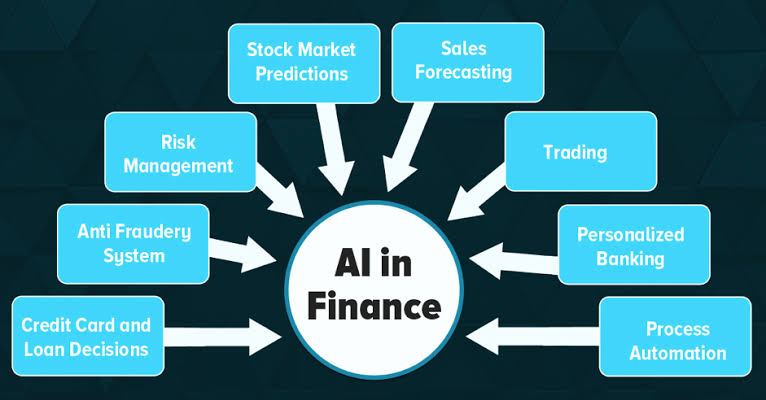
Flow finance AI combines financial flow management with artificial intelligence to create smarter and more connected approaches to handling money. It can relate to areas such as cash flow monitoring, financial forecasting, expense analysis, automated accounting, digital payments, budgeting, and business financial intelligence. Instead of relying entirely on manual financial processes, AI-powered systems can analyze information, recognize patterns, automate repetitive activities, and support better decision-making.
For businesses, understanding the movement of money is essential for maintaining liquidity and supporting sustainable growth. Revenue may come from customers at different times, while salaries, supplier payments, taxes, and operating expenses may need to be paid according to fixed schedules. An intelligent financial system can help organizations understand these movements and develop a clearer picture of their current and future financial position.
Flow Finance AI and Intelligent Financial Management
The main idea behind flow finance ai is to make financial management more connected, automated, and intelligent. Traditional financial management often requires information to be collected from different sources, including bank accounts, accounting software, invoices, payment platforms, payroll systems, and spreadsheets. Reviewing all this information manually can be time-consuming and may make it difficult to recognize important financial trends.
Artificial intelligence can help process large volumes of financial information much faster. An AI-powered finance platform may analyze transactions, identify recurring expenses, categorize financial activity, and highlight unusual patterns. This can give businesses greater visibility into their financial operations.
Financial visibility is particularly important for small businesses. Owners may be responsible for sales, employees, marketing, customer service, and financial administration at the same time. Spending hours reviewing spreadsheets and transactions can take attention away from core business activities. AI-based financial automation can reduce some of this administrative burden and make financial information easier to understand.
Flow finance AI can also support financial decision-making. When financial data is organized and analyzed effectively, managers can better understand revenue trends, expense patterns, outstanding payments, and available cash. This information can help them evaluate business performance and make more informed decisions about spending and growth.
AI does not eliminate the need for human judgment. Financial decisions can involve risk, regulations, business priorities, and circumstances that automated systems may not fully understand. AI should therefore be viewed as a powerful support tool that assists financial professionals and business owners rather than replacing responsible oversight.
Flow Finance AI for Cash Flow and Forecasting
Cash flow management is one of the most important applications of intelligent financial technology. A business needs sufficient cash to pay employees, suppliers, service providers, taxes, and other obligations. Even profitable companies can encounter difficulties when cash inflows and outflows are poorly timed.
Flow finance AI can assist with cash flow analysis by examining historical transactions and current financial activity. An intelligent system can identify patterns in customer payments, operating expenses, recurring bills, and seasonal revenue. These insights can contribute to more informed cash flow forecasting.
Cash flow forecasting allows businesses to estimate future financial conditions. For example, a company may expect several large customer payments during a particular month while also facing substantial supplier invoices and payroll expenses. Understanding the expected timing of these transactions can help management determine whether available cash will be sufficient.
AI-powered forecasting may become more useful as financial systems collect more data. Historical sales patterns, customer payment behavior, recurring expenses, and seasonal trends can all provide information for financial projections. However, forecasts remain estimates and can be affected by unexpected changes in demand, market conditions, customer behavior, or operating costs.
Working capital management is also closely related to this process. Money tied up in unpaid invoices or excess inventory may not be immediately available for business operations. Intelligent financial analysis can help organizations monitor accounts receivable, accounts payable, and inventory-related financial activity.
Improved forecasting can support better planning for expansion, hiring, equipment purchases, marketing campaigns, and other investments. Rather than making decisions based only on current account balances, businesses can consider expected future financial conditions.
Digital Finance Automation and AI Financial Tools
The growth of fintech has created a wide range of digital tools for managing financial information. Online banking, cloud accounting, automated invoicing, payment processing, expense management, and financial dashboards have already reduced the need for many manual processes. Flow finance AI adds advanced data analysis and intelligent automation to these digital capabilities.
One area where AI can provide significant value is transaction analysis. Businesses may process hundreds or thousands of transactions every month. Manually reviewing each transaction can be inefficient. AI systems can assist with categorization and identify transactions that may require additional attention.
Invoice management is another area where automation can improve efficiency. Businesses need to issue invoices accurately, monitor outstanding balances, and follow up on overdue payments. Automated systems can help organize invoice information and provide timely reminders, improving the overall accounts receivable process.
Expense analysis can also benefit from AI. Financial systems can examine spending patterns and highlight significant changes or unusual transactions. This does not necessarily mean that every unusual expense is problematic, but identifying changes early can encourage management to investigate them.
AI financial tools can also make financial reporting easier to access. Instead of waiting for manually prepared reports, businesses can use digital dashboards to review financial activity more frequently. Real-time or near-real-time financial information can help decision-makers respond more quickly to changing conditions.
Security remains a critical consideration. Financial information is sensitive, and organizations must take appropriate steps to protect accounts and data. Secure authentication, access controls, reliable financial software, data protection practices, and regular monitoring are important components of responsible digital finance management.
The Future of Flow Finance AI
The future of flow finance AI is likely to be influenced by continued improvements in artificial intelligence, automation, and financial technology. As AI systems become more capable of processing complex financial information, businesses may increasingly use intelligent tools for forecasting, reporting, financial analysis, and operational planning.
One potential development is the growth of conversational financial assistants. Instead of navigating several reports, users may be able to ask a financial system straightforward questions about revenue, expenses, cash flow, outstanding invoices, or upcoming obligations. The system could analyze connected financial information and provide an understandable response.
Predictive financial management could also become more common. Traditional financial reporting primarily explains past activity, while AI can potentially help businesses focus more strongly on future conditions. Intelligent models may identify emerging spending trends, changes in customer payment behavior, or potential cash flow pressures.
Greater integration between financial platforms could make this process even more effective. Businesses often use separate systems for banking, accounting, payroll, invoicing, payments, and customer management. Connecting these systems can create a more complete financial picture and reduce information gaps.
Nevertheless, responsible implementation will remain important. AI systems depend on the quality of the data they receive. Inaccurate, incomplete, or outdated financial information can produce unreliable analysis. Businesses should therefore combine AI technology with accurate records, human review, strong cybersecurity, and appropriate financial controls.
As digital finance continues to evolve, the focus may shift from simply recording financial transactions toward creating intelligent financial ecosystems. In such an environment, money movement, financial data, automation, and business strategy can become more closely connected.
Conclusion
Flow finance AI represents the growing connection between financial management and artificial intelligence. By combining financial flow monitoring with automation, data analysis, forecasting, and digital finance tools, AI can help businesses develop greater financial visibility and improve the efficiency of everyday financial processes.
From cash flow forecasting and expense monitoring to invoice management and financial reporting, AI-powered technology can support a wide range of financial activities. It can help organizations identify patterns, reduce repetitive administrative work, and make financial information easier to interpret.
43.242.176.93
shell
ผู้เยี่ยมชม
benducket3211@gmail.com