

shell
benducket3211@gmail.com
Can Orthodontics Create a Straighter, Healthier, and More Confident Smile? (12 อ่าน)
30 ก.ย. 2569 22:03
Orthodontics is a specialized area of dentistry focused on improving the alignment of teeth and the relationship between the upper and lower jaws. It can help people with crooked teeth, crowded teeth, gaps, and different types of bite concerns achieve a more balanced and functional smile. Modern Orthodontics offers several treatment options, allowing orthodontic care to be adapted to the needs, age, lifestyle, and goals of individual patients.
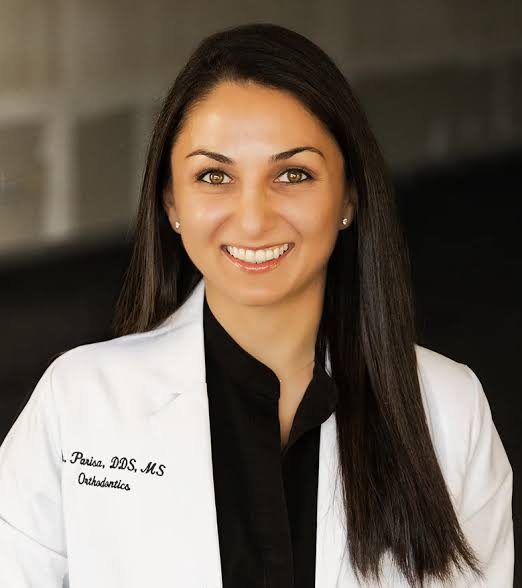
A well-aligned smile is not only associated with appearance. Proper tooth positioning can make some areas of the mouth easier to clean and may support better oral hygiene. Correcting certain bite problems can also improve the way the teeth come together during chewing. For these reasons, orthodontic treatment can provide both cosmetic and functional benefits when it is carefully planned by a qualified orthodontic professional.
Orthodontics is suitable for children, teenagers, and adults. Some patients begin treatment during their teenage years, while others choose adult orthodontics because they want to improve their smile or address alignment concerns that were not treated earlier in life. An orthodontic consultation is an important starting point because it allows the orthodontist to examine the teeth and determine which treatment approach may be suitable.
Orthodontics and Modern Smile Alignment
Modern Orthodontics has developed significantly over the years. Traditional metal braces remain an effective treatment option, but patients can now choose from several orthodontic appliances depending on their specific needs. Ceramic braces and clear aligners such as Invisalign can provide more discreet alternatives for suitable cases.
Braces use brackets and orthodontic wires to apply controlled forces to the teeth. These forces gradually guide teeth toward planned positions. Traditional braces can be used for many different alignment concerns, including crowding, spacing, crooked teeth, overbite, underbite, and crossbite.
Clear aligners work differently. Invisalign uses a series of transparent, removable aligners that are designed to gradually move the teeth. Because the aligners are clear, they are generally less noticeable than traditional braces. Their removable design also allows patients to take them out for eating, brushing, and flossing according to their orthodontist's instructions.
The appropriate treatment depends on the patient's individual dental condition. Some cases may be suitable for Invisalign, while other cases may benefit from traditional or ceramic braces. An orthodontist evaluates the alignment of the teeth, bite relationship, available space, and other factors before recommending an appropriate treatment.
Modern orthodontic practices may also use digital scans and advanced imaging to support treatment planning. These technologies can provide detailed information about the teeth and help the orthodontist develop a personalized treatment approach.
Orthodontic Consultation and Treatment Planning
An orthodontic consultation provides an opportunity to discuss dental concerns and treatment goals with an orthodontic professional. Patients may seek a consultation because they have crowded teeth, gaps, crooked teeth, an uneven bite, or concerns about the appearance of their smile.
During the consultation, the orthodontist examines the teeth and evaluates the bite. Dental photographs, digital scans, and X-rays may be used when necessary. This assessment helps the orthodontist understand the patient's dental structure and determine the most appropriate treatment options.
Treatment planning is an important part of Orthodontics because every patient's smile is different. The orthodontist considers the position of individual teeth, spacing, crowding, jaw relationships, and the patient's overall treatment objectives. The expected duration of treatment can also be discussed during the consultation.
The length of orthodontic treatment varies depending on the complexity of the case. A patient with a relatively simple alignment concern may require less treatment time than someone with significant crowding or a complex bite issue. Regular appointments are generally necessary so the orthodontist can monitor progress and make adjustments when required.
Patients also play an important role in treatment success. Following professional instructions, maintaining good oral hygiene, attending scheduled appointments, and taking proper care of orthodontic appliances can help treatment progress as planned.
Braces, Invisalign, and Adult Orthodontics
Braces and Invisalign are two widely recognized approaches within modern Orthodontics, but they are not identical. Traditional braces remain attached to the teeth throughout active treatment, while Invisalign aligners are removable. The choice between them depends on the patient's dental condition, treatment goals, lifestyle preferences, and professional assessment.
For people who are concerned about the appearance of braces, ceramic braces can offer a less noticeable fixed appliance. These braces use tooth-colored or clear brackets while following a treatment principle similar to traditional braces.
Invisalign can be appealing to adults and teenagers who prefer a discreet treatment option. Clear aligners can fit into many everyday routines, although patients need to follow the recommended wearing schedule and care instructions to achieve the intended treatment progress.
Adult orthodontics has also become an important part of modern dental care. Adults can receive orthodontic treatment even if they did not have braces during childhood or adolescence. Treatment planning for adults may take previous dental work, existing restorations, oral health, and individual lifestyle considerations into account.
The cost of orthodontic treatment varies according to factors such as treatment complexity, appliance type, treatment duration, and clinic location. During an orthodontic consultation, patients can ask about the expected treatment cost and available payment arrangements.
Orthodontics can also have benefits beyond creating a visually straighter smile. When teeth are properly positioned, certain areas may become easier to brush and floss. Improving some bite relationships can also contribute to better dental function. However, the expected benefits depend on the patient's specific condition and treatment plan.
Orthodontic Care and Long-Term Results
Successful Orthodontics involves more than the active stage of moving teeth. Once the desired alignment has been achieved, retention is an important part of maintaining the results. Orthodontic retainers are commonly used after braces or clear aligner treatment to help keep teeth in their new positions.
Retainer use varies from patient to patient, and the orthodontist provides instructions based on individual needs. Consistent retainer care and follow-up can help support long-term alignment.
Good oral hygiene remains important throughout orthodontic treatment and after treatment has finished. Regular brushing and flossing, professional dental checkups, and appropriate care of braces or aligners can contribute to healthier teeth and gums.
Patients should also remember that orthodontic treatment is highly personalized. Online information can explain general concepts, but only a professional examination can determine the most appropriate approach for an individual smile. An orthodontist can assess the patient's dental condition and explain the expected benefits, limitations, treatment duration, and care requirements.
Conclusion
Orthodontics plays an important role in modern dental care by helping improve the alignment of teeth and address various bite concerns. From traditional braces and ceramic braces to Invisalign and other clear aligner solutions, modern orthodontic treatment provides several options for patients with different needs and preferences.
Whether you are a teenager considering braces or an adult interested in discreet smile correction, an orthodontic consultation can provide valuable information about your treatment possibilities. A personalized assessment allows the orthodontist to understand your dental condition and create a treatment plan suited to your individual goals.
43.242.176.55
shell
ผู้เยี่ยมชม
benducket3211@gmail.com